Skip to content

Tag: Writing

On “Subverting Expectations”

There’s been a lot of talk lately about “subverting expectations” in storytelling, due to the recent ending of Game of Thrones.  So, since I’m a storyteller, let’s take a bit of an aside to discuss it.

Much of the praise that George R. R. Martin’s book series, A Song of Ice and Fire received was about how it didn’t play it safe.  It “subverted” the old fantasy tropes (which, admittedly, had been largely done to death by Tolkien copycats who didn’t understand Tolkien).  Unexpected things happened.  The good guys didn’t win just because they were the good guys.  (It was sometimes hard to tell who the good guys were.)

Now, some of this was simply marketing.  To listen to some people, you’d think that George Martin invented moral shades of gray in fantasy fiction.  David Gemmell, Glen Cook, and a host of others beat him to it by decades.

Full disclosure: I read the first three books, the year that the TV show started.  I quit after A Storm of Swords.  And a great deal of that decision was based on the nature of this “subverting expectations” model of storytelling.

Setting the Stage Part 4

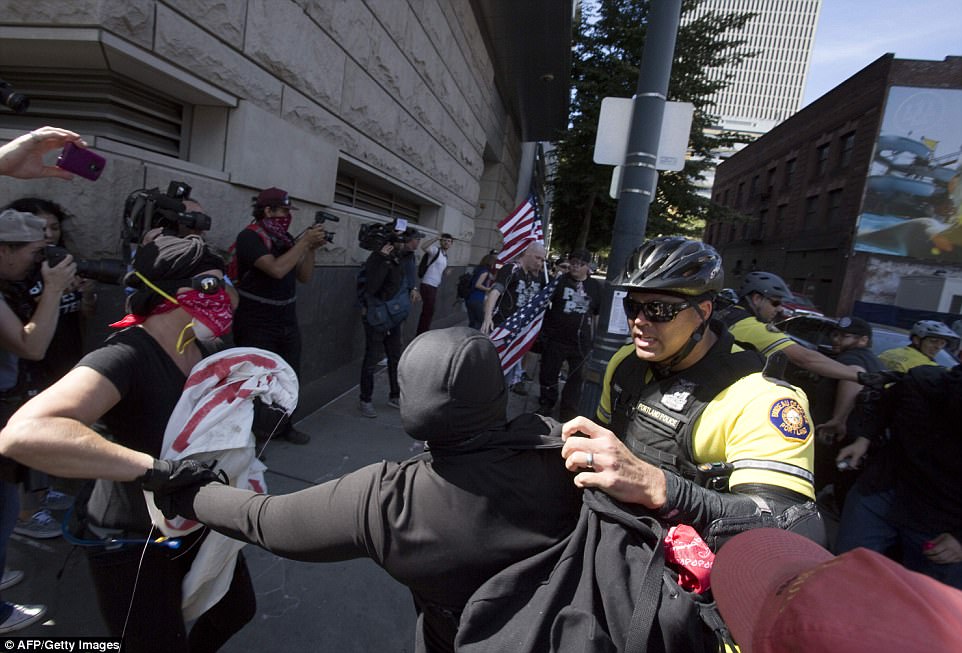
As the 21st Century has matured, the divide in the United States has gotten more and more pronounced.  While in many ways it is tribal (simply look at what either major political faction will scream bloody murder about when they are the opposition, and then look the other way when it is done while their people are in office), there is a fundamental fracture in the fabric of American society.  And that fissure is deepening.

More and more voices call for the utter destruction of anyone who disagrees with them, no matter how petty or nonsensical the disagreement is.  A side with more and more power is demanding that things that are more and more demonstrably false and counter-factual be held up as right, true, and good, and threaten the livelihoods, or the lives, of anyone who refuses.

The fracture appears to be largely along political lines.  But it has become much deeper than that, a cultural divide between people who assume the worst of each other, in some cases simply because of the color of skin.  And the politicians and tech giants who make their millions use that divide more and more, stoking the fires of the mob for their own profit and power.

The United States was founded as a representative republic.  The Federal Government ultimately answered to the states, which were sovereign political entities of their own.  While the House of Representatives was elected by the popular vote in each state, the Senate was appointed by the State legislatures.  This was designed to adhere to the principle of subsidiarity, where problems get solved at the lowest, most local level possible.

But as with all popular government, going back to Athens’ democracy, that wasn’t enough for some.  And so, the safeguards that preserved that principle of subsidiarity were slowly eroded, and in the name of “Democracy,” the mob became the operating political principle.

Setting the Stage Part 3

By the beginning of the Maelstrom Rising series, the global order as it has existed since shortly after the fall of the Berlin Wall and the collapse of the Warsaw Pact is disintegrating.

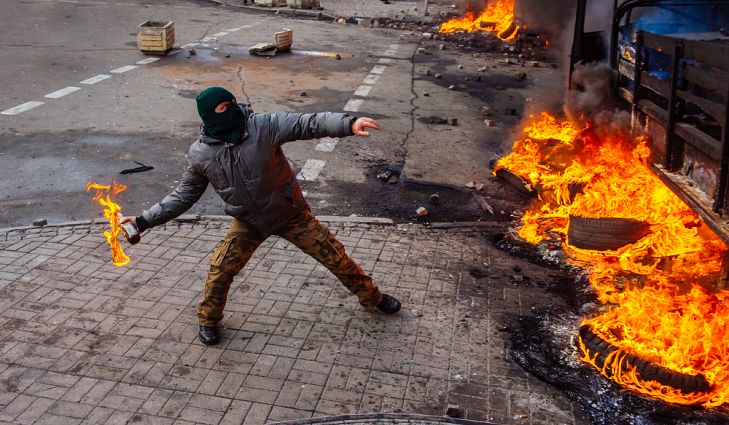
This is happening for reasons cultural, political, and economic.  Culturally, the European Union is already fracturing as this is written.  There is no “European Identity,” no matter how hard the EU Parliament has attempted to enforce it, and the influx of immigrants from the Middle East and North Africa has been a source of friction in France for decades, even before the more recent push to accept hundreds of thousands from Syria, which has resulted in an uptick of terror attacks, to include truck attacks on Christmas markets and other crowds in Germany.  An increasingly large segment of the populace of Western Europe is beginning to resent the imposition of the will of the elites, most evident in the Yellow Vest protests in France, which began over gas taxes, but became much wider in scope, including over President Macron’s signing of the UN resolution declaring unfettered migration as a fundamental human right, despite the majority of Frenchmen opposing such a treaty.